
So, you have been painting for a while, and you have tons of canvases lying around. Some you love and want to keep, others not so much. Canvases take up a lot of real estate and can quickly become a storage problem if you live in a small space. Below, you will find some ideas about how to reuse old acrylic canvas paintings.
Paint Over an Old Painting
You can gesso over old paintings that you don’t want to keep. You can even use this technique to paint over an old piece of canvas art you found at thrift stores.
You can use acrylic paint to cover up the original art, but it would take several coats of paint, and artist paint is expensive. I prefer to use gesso because it is cheaper and thicker and will give your acrylic paint something to adhere to. You can also use gesso to add extra texture if you want that effect.
This post may contain affiliate links. If you click a link and buy, I may receive a small commission. Please see my full privacy policy for details.
How to Cover an Old Painting With Gesso
Acrylic gesso can be purchased at most art supply stores or even Walmart and comes in bottles or tubs. Some are so thick that they need a little water added, while others are thin enough to use right from the tube.
Buy a high-quality gesso to get better coverage. Gesso from the dollar store is often too thin and frustrating to use. You can also add a little paint to the gesso to tint it a particular color, which gives you an underpainting effect.
These instructions are for painting over an acrylic painting. If you are painting over an oil painting, you will need a gesso specifically formulated to cover oil paint. Acrylic gesso is water-based and, therefore, will just sit on top of the oil paint.

The Process
1. To start, sand the surface of your old canvas painting with 120-grit sandpaper. If the painting is relatively smooth, just a light sanding will be enough. If there is a lot of texture, sand with a bit more pressure until you are satisfied with the result.
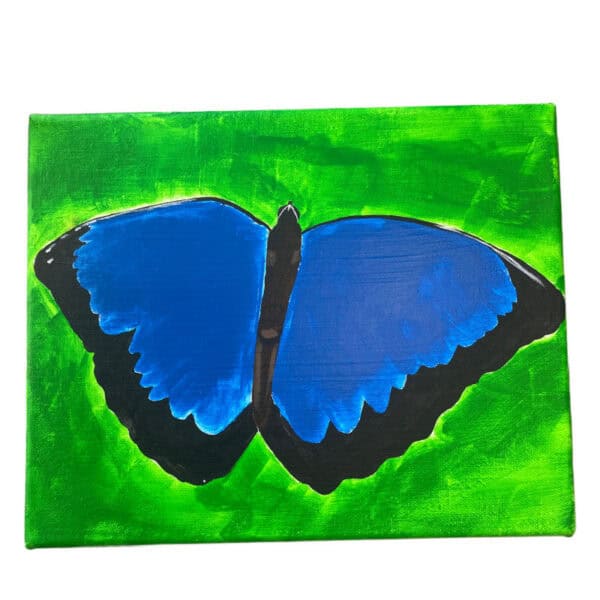
2. Wipe the surface clean to make sure any dust is removed.
3. Apply your first coat of gesso using a large brush to cover the entire canvas with fewer strokes. This helps prevent brush strokes from showing up too prominently. I like to apply the first coat in one direction, either horizontally or vertically.
4. Allow this coat to dry completely. Depending on the temperature and humidity in your area, this could take an hour or several hours. If the canvas feels cold or damp to the touch, it needs more drying time.
5. Once the first coat is dry, apply a second coat of gesso in the opposite direction.
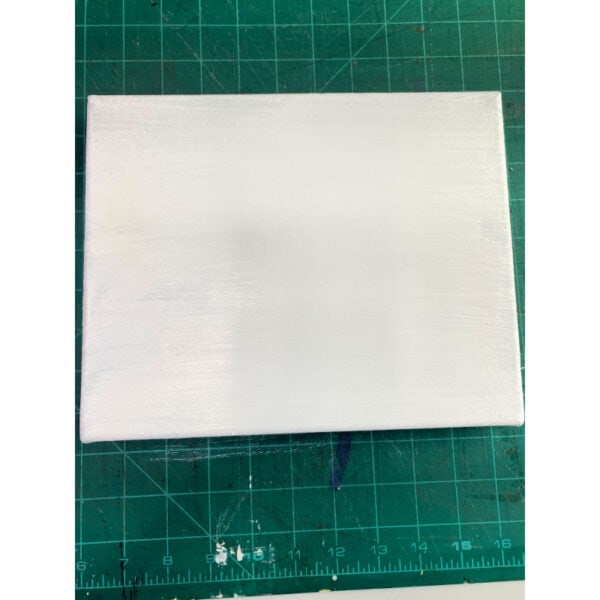
6. Allow this coat to dry completely. You can add as many coats of gesso as you think you need to cover the canvas, but I usually find two coats are enough.
7. Once the gesso is dry, sand the canvas again. You can sand it to a smooth finish or leave some texture to help the paint adhere better. This is really a personal preference and will depend on how you are going to use the canvas.
8. Wipe the canvas with a clean cloth to remove the dust and it is ready for painting.
For a more in-depth look at gesso, check out my post on How to Gesso a Canvas for tips on how to gesso a new canvas.
Once you have the canvas covered, you can use it to make a new painting and save on the cost of buying a new canvas.
Fun for Kids Using Old Canvases
If you aren’t going to use your old canvas paintings to make new acrylic paintings, they make great art projects for kids. You can also let the kids paint over your old practice canvases. It’s a great way to get kids interested in art and keep them entertained.
Be sure to use nontoxic acrylic paints when letting children experiment with art. Non-toxic neon paint, puffy paint, glitter paint, or even crayons or brush markers are fun for kids to use. Most children’s paints are also easier to remove from little fingers and tables. I always have a stash of canvases on hand for future projects with my grandkids.
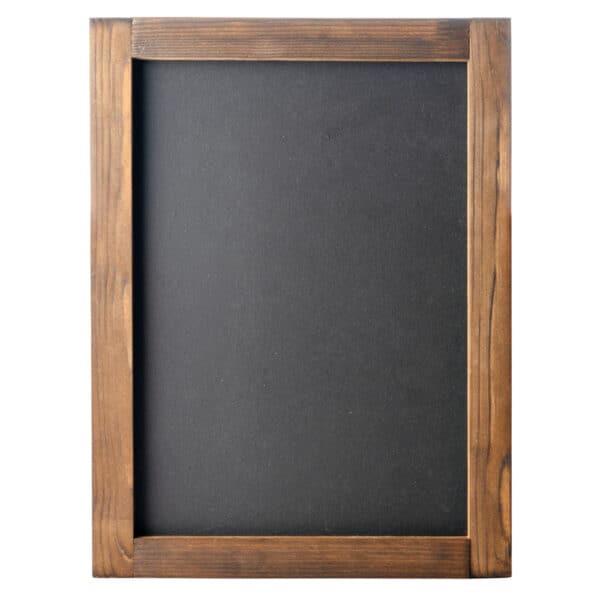
You can also cover the canvas with chalkboard paint and use it for a noticeboard in your office or kitchen. This chalkboard canvas would also be great for a kid’s playroom.
Add Embellishments
Some canvases will have a bit more texture and cannot be sanded smooth. You can make great wall hangings with these. Paint over them and use stick-on embellishments, buttons, glitter, stick-on letters, etc., to create a new piece of art.
Storing Canvases
You need proper storage for the paintings you do want to keep. Store gallery-wrapped canvases upright and covered to keep them free from dust and dirt. You can use acid-free paper to cover them or purchase or make cloth bags to protect them. Stand them in a corner of a closet or some other out-of-the-way place to keep them from being damaged.
Canvas boards should be laid flat to prevent warping. I also like to put a sheet of glassine between the boards to prevent them from sticking together and protect the paint. Glassine is a semi-transparent archival paper that is often used to wrap canvases and other artwork.
For more ideas on how to store your paintings, read this post on how to store and ship your artwork.

Canvas Paper
If you are just starting out on your art journey and are practicing painting techniques it might be a better idea to use canvas paper. The canvas paper is cheaper and easier to store. Canvas paper comes in pads of 10 or more sheets, and you can purchase it at most art supply stores. This is the one I use most often. I also sometimes use a mixed media pad for practicing. You need to tape each sheet down to a board to prevent the buckling of the paper when it gets wet from the paint. Most paper will dry flat if taped to a board.
Take Pictures and Notes of Your Old Paintings
Take pictures of your practice canvases before getting rid of them. You can use these photos to keep a record of your progress and you may be surprised at how far you have progressed. You can also take notes about each practice piece. Which colors worked well together, what techniques were easy, and which ones you need to work on? Also, you can take notes on how you mixed the particular colors for the piece and what type and brand of paint you used. You can refer back to these for future work.
Have fun coming up with ways to re-purpose used canvases. Every piece of work is important on your art journey. It shows how far you have come and how much you have learned.
If you have questions, you can leave them in the comments below. You can also join our free Facebook group, Trembeling Art Creative Corner, where you can ask questions, post your work and get to know some fantastic artists from all genres and skill levels. 😊

Thank you very much for your tip on how to cover up my messy canvases. I am a Brain injury survivor. I just actually learned that word to call myself instead of ( Being Stupid) like my Ex- husband calls me on a daily basis. However Thank you again for explaining to me about Gesso. My friend she soaks her canvases and I told her that I don’t think it’s a good idea. However she said what do I know and she is right so I don’t argue with anyone about anything.
I love painting and I try my best to keep busy due to the fact of my situation and not only am I trapped in my own head I am also trapped inside this house.
One day I will find a way to be able to leave here and I will because I am a Strong woman and I have Faith. So keep giving me tips on how to on Canvass and I will keep reading your Posts if I can find them. Thank you very much.
Denise in Florida
Please add my email to your list offollowers.
I really enjoyed your site and your info on covering old paintings. I got away from my painting and have been doing stained glass but you are helping me get back on my straaight road to my original passion.
Thankyou, thamkyou
Marilyn, I’ve been meaning to comment on your site for a while but have been putting it off
You have a great site. There are so many things that you mention that relate to my work. Also, I suffer from Parkinson’s disease. For the past 12 years, I have had this problem. It used to be that I liked to draw, but I haven’t done it for a while because I have to take care of my domestic needs first. With my retirement (in 1999, I am 84 now) I have taken up painting in whatever medium I am comfortable with. Acrylic is what I’m most passionate about. Due to environmental concerns, I am not interested in dabbling with oil.
Continue to do a good job. I admire your spirit. I am also trying to attach my latest work on your site.
I find myself coming to this site often and have read of your journey. I admire your tenacity and grit. I recognise it. I am 77 and try to find time to paint everyday. I have been disabled with spinal issues for 15 years but still have the fire. I have never done anything like this. Before. My hat off to you. I am working on a 16 x 20 of Portland headlight, commissioned by Geo. Washington. It has a Bald Eagle. It is for gift a. Gift.
No interest in selling any longer. Thank and have a Great, creative day,
Hi Diana; I am so glad you are enjoy this site. Your painting sounds amazing! You sound amazing too! 🙂 I hope you continue to enjoy painting for many more years. Have a wonderful day!
When you paint over a previous painting with gesso am I right in assuming the painting has been acrylic ….or does it matter ?